Planetra
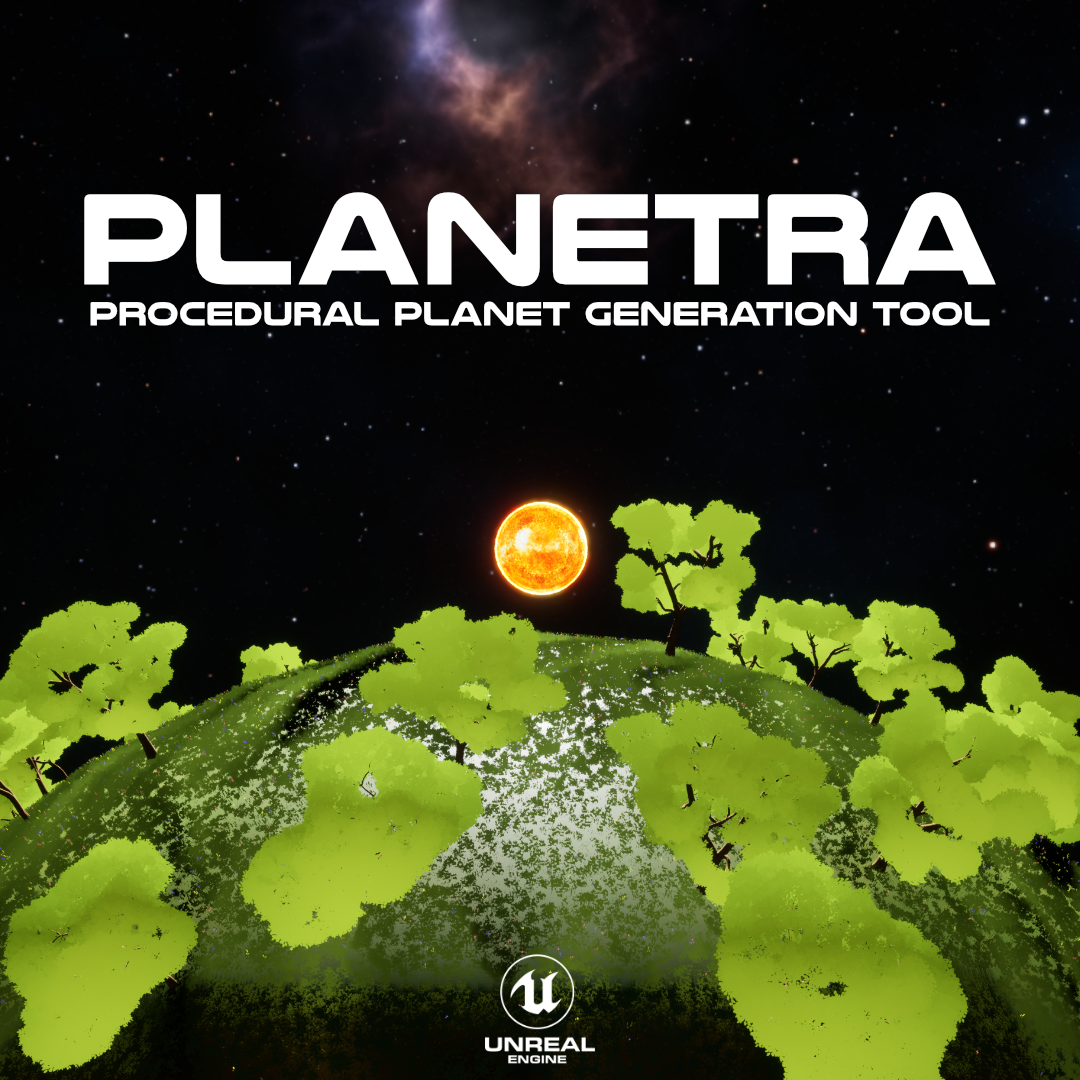
This project explores the use of procedural content generation (PCG) in Unreal Engine 5 to create vast, scalable space environments. The focus is on generating planets and large cosmic scenes, allowing for varied terrain and efficient world building. By experimenting with PCG techniques, the project aims to simulate the scale and unpredictability of space while maintaining performance and visual quality.
Purpose
Final Year University Project
Year
2025
Role
Solo Project
Project Overview:
Role: Solo Project
Engine Used: Unreal Engine 5
Platform: PC
My Work:
Systems Development
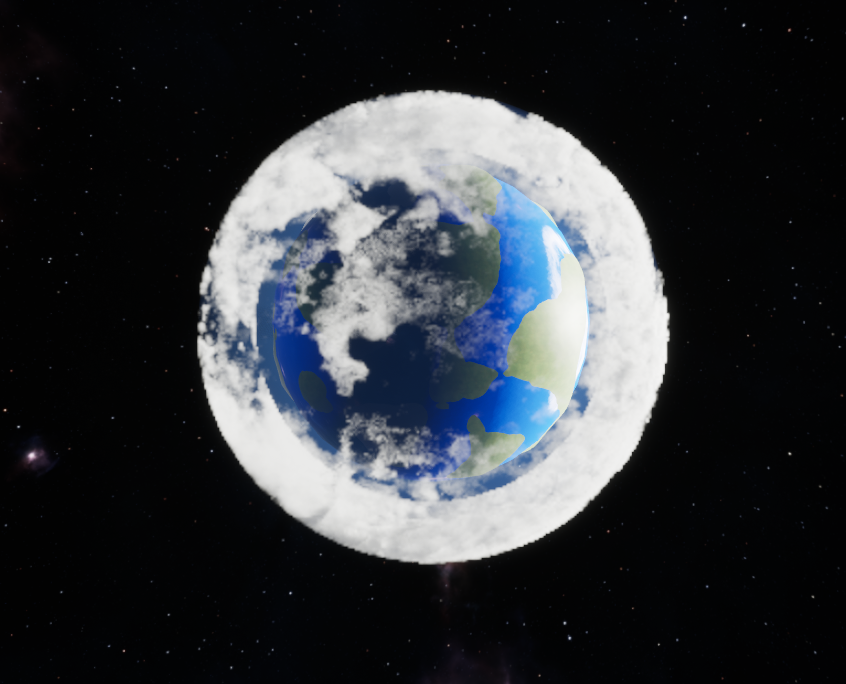
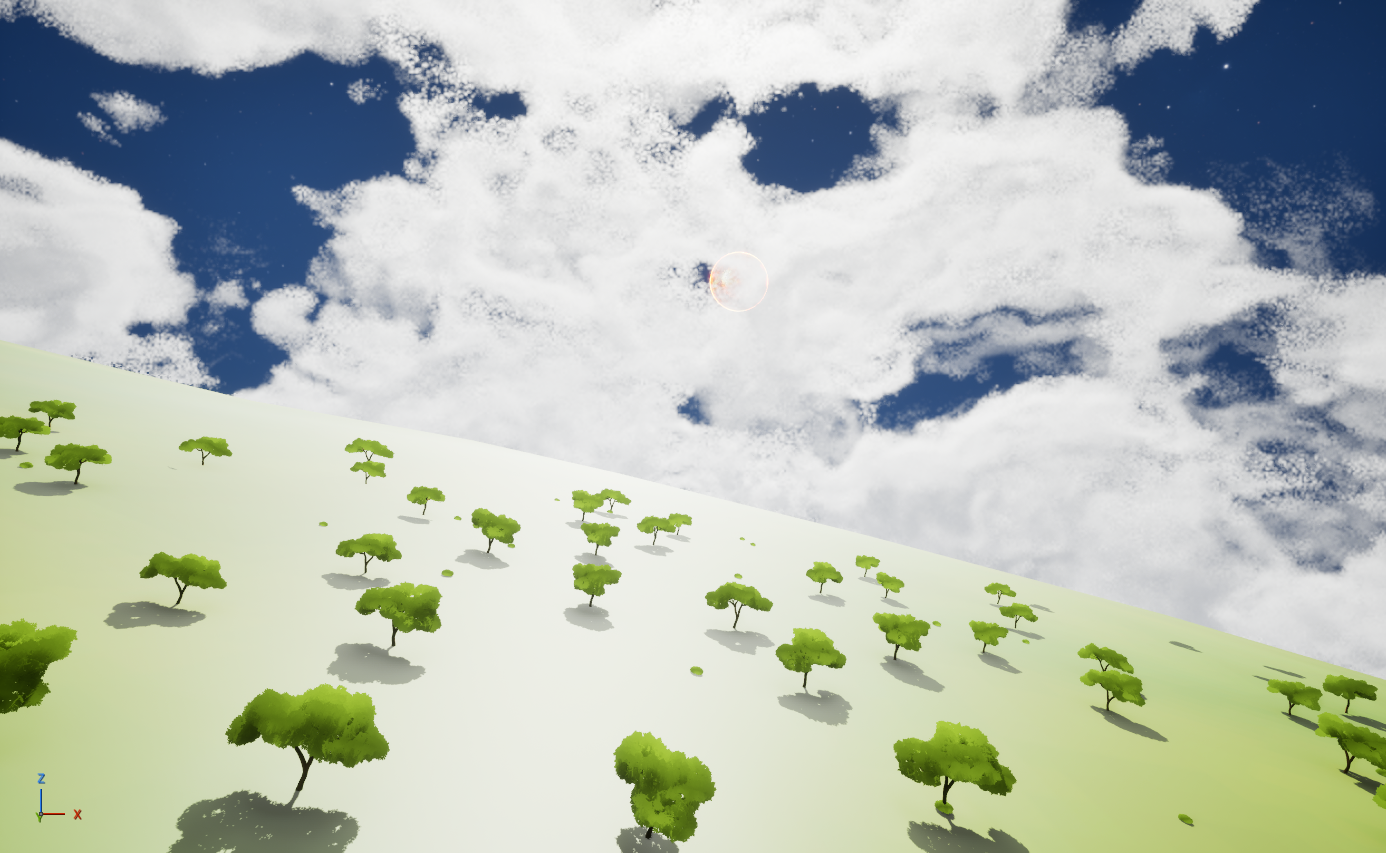
Generated procedural planet terrain using a spherical base mesh combined with Unreal Engine 5 Geometry Scripts and Perlin noise for natural surface variation.
Implemented an ocean system that spawns dynamically around the generated planet.
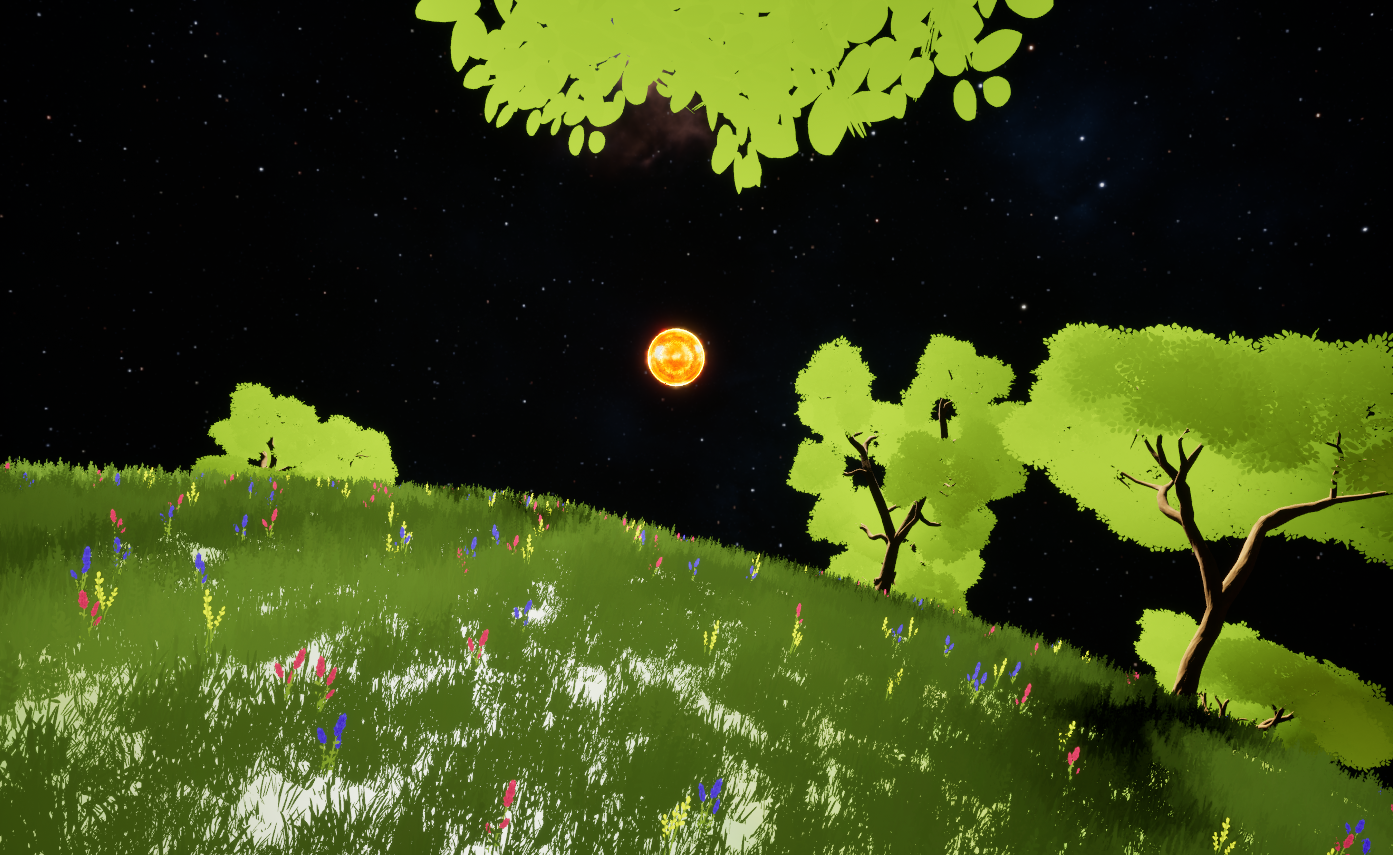
Distributed PCG points across a ~1100 km scale planet, resulting in approximately 25 million procedurally generated points.
Optimised performance by improving collision setup, texture efficiency and GPU profiling.
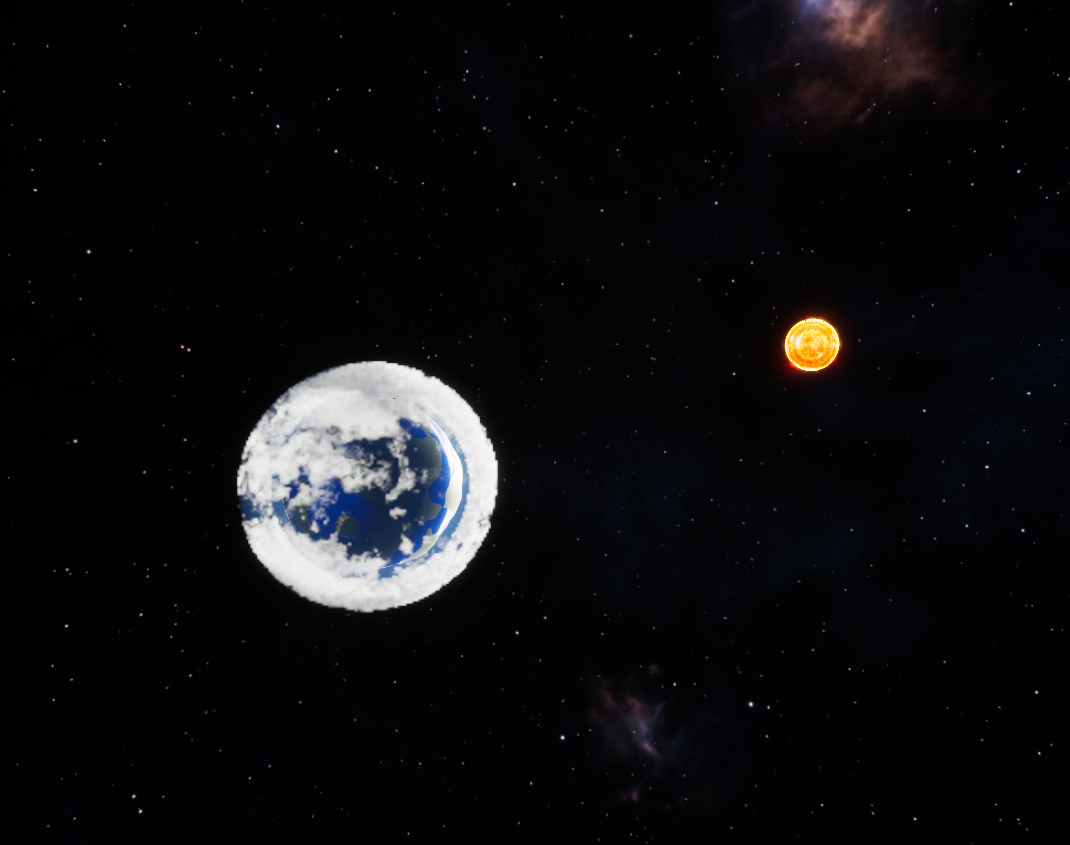
Created a planet atmosphere featuring volumetric clouds to enhance scale, depth and visual realism.
Added a directional sunlight and space skybox to establish lighting, scale and the sense of vast open space.
Developed a custom C++ gravity controller system supporting spherical worlds and non Z axis surface alignment, inspired by Super Mario Galaxy.
Developed an early gameplay framework featuring a controllable character, enabling seamless transitions between planets using jump pads.